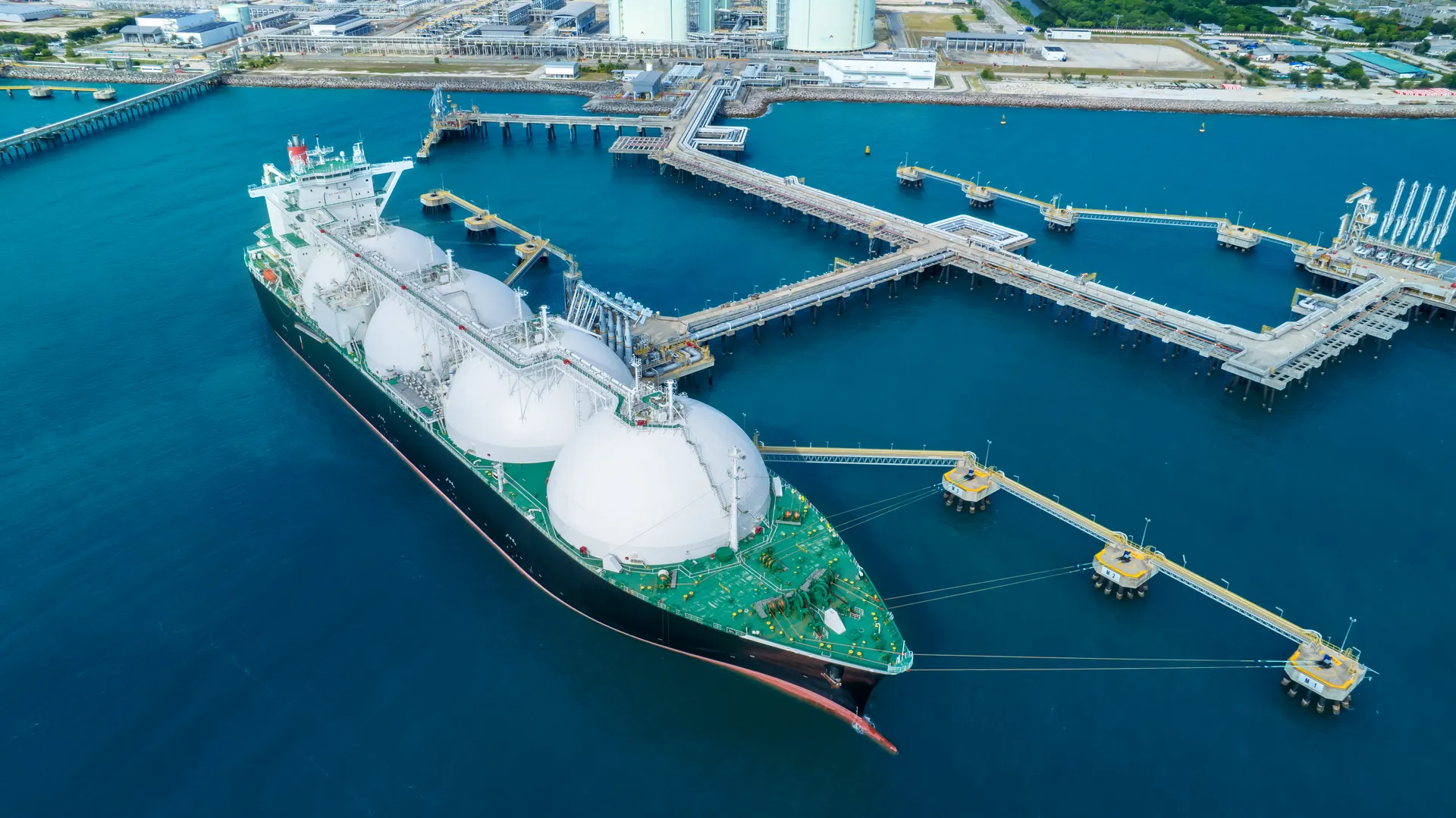


The past two weeks have seen escalating conflict in the Middle East. While the human consequences will rightly remain the primary global focus, the repercussions are being felt in international energy markets.
Below is a brief overview of what has happened, and why energy markets are watching developments so closely.
What has happened?
On 28 February, joint US-Israeli strikes on Iran prompted retaliation, including warnings to ships navigating the Strait of Hormuz, through which around 20% of the world's oil and gas transits. Since then, exports through the Strait have dropped sharply.
Iran also targeted critical energy infrastructure across Qatar and Saudi Arabia, halting Qatari LNG production.
Wholesale price developments
Within days, GB day ahead gas prices spiked to the highest level since early 2023 at 160p/th. Electricity prices followed, as gas fired power generation remains the marginal price setter in the GB power market. Similarly, LNG prices jumped almost 80% in one week, while Brent crude surged past $100/bl for the first time since the Russian invasion of Ukraine in 2022.
Across Europe, Dutch TTF gas hit levels not seen since late 2023, invoking uncomfortable memories of the 2022 energy crisis. Since then, prices have remained volatile, with the markets reacting to new announcements from the US and the International Energy Agency.
Is Europe Better Prepared than 2022?
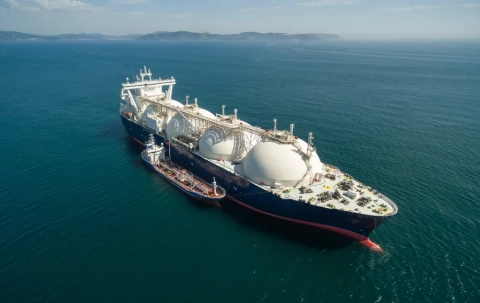
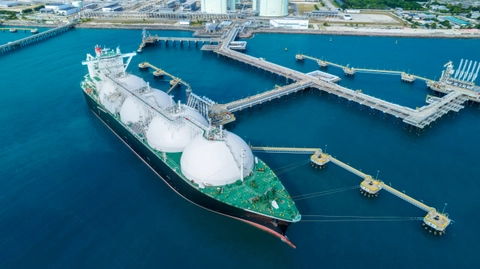
There are reasons to believe the situation is different this time. Europe is better insulated than in 2022, thanks to a rapid build out of LNG import terminals across the continent, and increased reliance on US cargoes.
While the EU is less dependent on Gulf energy, as LNG shipments via the Strait of Hormuz are disrupted, the global LNG spot market availability tightens, leading to increased competition between Asian and European markets. This has been inflated by Europe also entering 2026 with gas storage levels below the five-year average.
Goldman Sachs has warned European gas futures could more than double if transport disruption in the Strait of Hormuz lasts beyond two months, and Qatar’s Energy Minister stated in an interview on 6th March that even if the war ended immediately, Qatar would need "weeks to months" to restore normal LNG deliveries after an Iranian drone strike on its largest LNG facility.
Future outlook
Overall, there is little to suggest immediate system stress or security of supply concerns in GB. However, GB gas and power prices remain exposed to volatile international energy markets and much hinges on how long the Strait remains disrupted, how quickly LNG and oil production can be restored, how rapidly US LNG expansions come online, and whether geopolitical tensions escalate further.
Should the current conflict and resulting market impacts persist into the summer, there will be amplified concerns for energy costs next winter. Should the tensions ease in the coming weeks, and oil and gas cargoes resume through the Strait then prices could be expected to lower as rapidly as they increased.
For all the progress made since 2022, Europe and GB remain exposed to external shocks as long as fossil fuel imports dominate the energy mix.
Looking for more detailed analysis on Iran and the Impact on the Energy Market?
If you’re already a Cornwall Insight Industry Essentials customer you can read the full analysis, on our CATALYST portal:
Read the full analysis on Iran and the potential gas crisis
If you’re not a Cornwall Insight Industry Essentials customer you can read the full analysis free for 14 days through our free trial, including:
- GB supply flow data
- Multiple disruption scenarios
- Storage risk modelling
- Macroeconomic implications