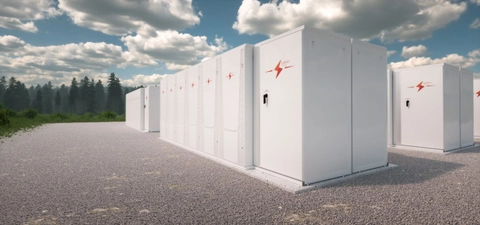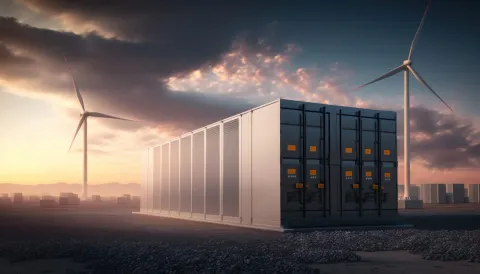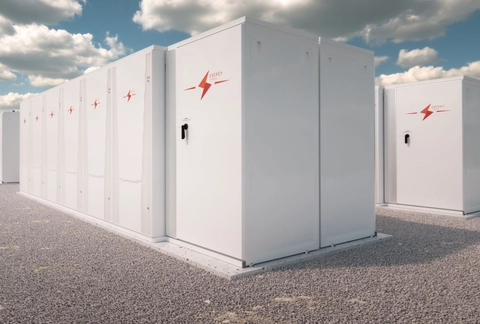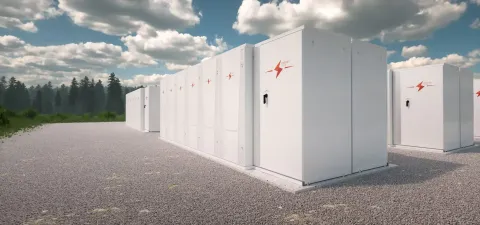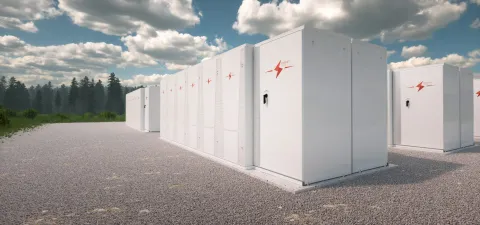


As we move into a new year, and with the first phase of SDP-02 Energy Storage Power Stations going live in November, now is the perfect time to take stock of the battery storage landscape. This blog reviews the collective impact of the spectrum of implemented, in train, and planned changes - assessing the overall opportunities for battery storage assets.
The wider context for battery storage in the SEM
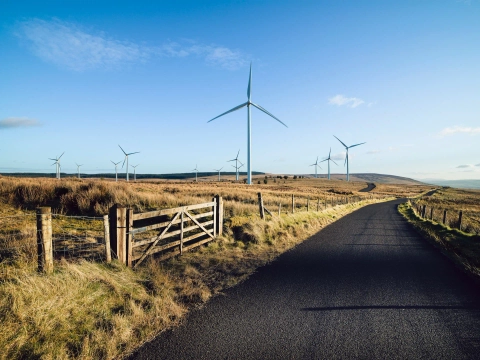
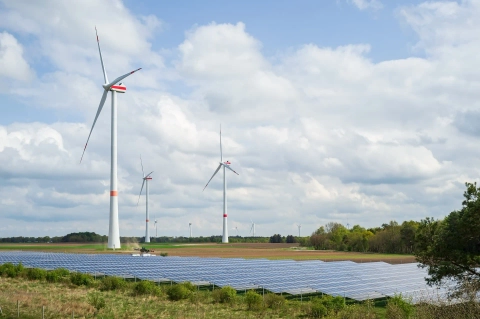
The Single Electricity Market (SEM) has targets for net zero emissions by 2050 across both Ireland and Northern Ireland (NI). This goal is supported by interim targets, with both Ireland and NI targeting an 80% renewable electricity mix by 2030.
In addition, rising demand, driven by the electrification of heat and transport, the growth in data centres, and dispatchable fossil-fuelled plant closures, will make it increasingly challenging to manage the operation of the electricity system. This creates opportunities for flexible technologies such as storage.
Physical and operational system limits, including the System Non-Synchronous Penetration (SNSP) limit, mean that renewable power is routinely dispatched down and the requirement to have a minimum number of conventional units running is becoming increasingly critical for system stability. Without market changes or major reinforcement of the electricity system, this challenge will only get worse as more renewables connect over time.
The above factors should make an ideal market environment for battery energy storage systems (BESS).
Barriers to deployment
Several barriers have prevented BESS from fully participating in the SEM, most significantly the restriction on how battery assets can trade in the wholesale and balancing markets. Previously the DS3 system services revenues were sufficient to justify investments in BESS assets, but following the move to competitive procurement under the Future Arrangements for System Services (FASS) this will no longer be the case.
These challenges, together with the increasing derating of storage assets in the Capacity Renumeration Mechanism, prompted industry to undertake market reforms to better integrate BESS assets. These were supported by a strong policy recognition of storage’s role in meeting climate and renewables targets. This has prompted work on several reforms and modifications, the implementation of some of the Scheduling and Dispatch (S&D) reforms last month being the most recent example.
Market reforms
Some reforms will support system balancing generally, indirectly impacting the role batteries play in the market. However, the changes to allow batteries to better integrate within scheduling, dispatch, and settlement systems are expected to have the greatest impact. These aim to increase the value of the assets to the system and provide additional sources of value to BESS. But, the full benefits of these changes are yet to be realised as a number of restrictions still require resolution. Time is, however, running out with the initial phase of FASS due to go-live with the Day Ahead System Services Auction (DASSA) in May 2027.
Additional targeted reforms include EirGrid’s Long Duration Energy Storage (LDES) procurement scheme and ESB Networks new route to market for LDES via its Demand Flexibility Product.
While progress on LDES has been slower in NI, it is still recognised as important, and we expect a similar scheme to be consulted on there.
Several wider updates affecting BESS are underway, including changes to the System Non-Synchronous Penetration (SNSP) calculation to include small‑scale solar and refine how BESS units and interconnector flows are treated. SNSP measures the share of renewable electricity on the system at any moment. The current 75% limit is being trialled at 80%, alongside a revised calculation. Including battery imports would allow higher renewable penetration when BESS charges during periods of high renewable output.
In addition, a major SEM trading change under the Clean Energy Programme introduced 30‑minute settlement from 1 October 2025. The shift is designed to align trading and imbalance settlement periods, meet CEP requirements, and improve liquidity and trading efficiency for market participants.
Looking into the future
Whilst there is still work to be done, it is important to recognise, the significant progress made by Government, TSOs, and industry to date. And although we are not necessarily on the final stretch, it does feel like the bulk of the work of integrating BESS into the market is in the rear-view mirror.
Going forward there is very clear and vocal recognition from Government and industry of the important roles for storage of all durations if Ireland and NI are to meet their decarbonisation and renewable targets. Whilst this is not enough on its own, it does provide some confidence that the issues currently impacting storage assets will be addressed, but as often the case, the challenge will be the speed at which this happens.
Did you like this blog? Get insights just like it delivered straight to your inbox. Sign up here.