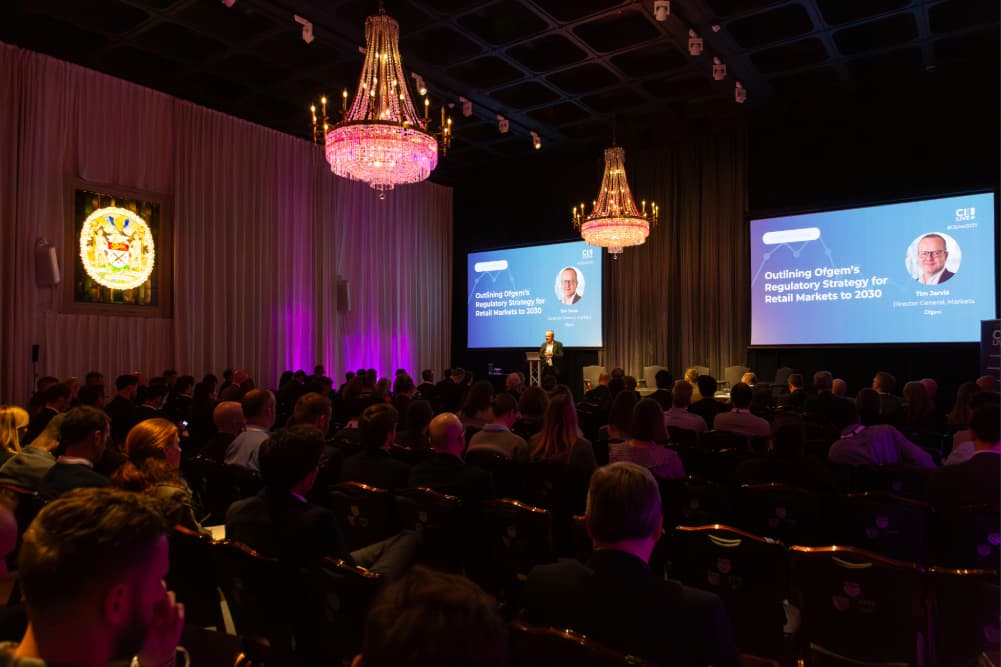
We have a newly formed Government in place, and clearly its energy policies will continue to be the subject of intense public and political debate. Ahead of Cornwall Insight’s November annual conference our Group Head of Training Ed Reed outlines the context to the day’s conversations.
Back in 2022, Sir Keir Starmer unveiled Clean Power 2030 as a central mission for a future Labour Government. At the time, people thought it was ambitious, a policy that would have implications stretching from infrastructure development to consumer habits, but there was time to figure it out. Four years later, the target no longer looks like a distant ambition, and the tone has started to shift. What was a fixed timeline has become moveable, and while the Government is still pursuing the same broad direction, a power system built on homegrown, low-carbon generation, the emphasis has moved towards consumer cost.
The Government is under new leadership and is now signalling that affordability, not the calendar, will decide the pace. Whether due to a reality check on the scale of the task, public opinion, geopolitical barriers, or a combination of these concerns plus a whole host of others, Clean Power 2030 is no longer a line in the sand. What hasn’t changed is the underlying task: building a more secure, lower-carbon system that works for consumers.
So, how can the country deliver on clean power, whatever timeline it ends up running to? It’s a challenge facing people across the industry, and one we’ll be putting to sector leaders at CI Live 2026, Cornwall Insight’s flagship conference. There, Energy UK’s Chief Executive Dhara Vyas will join a panel discussion examining what the new Prime Minister and Energy Secretary have inherited, the milestones between now and the next General Election, and what comes next for the GB energy markets. In the meantime, let’s look at where things stand.
The scale of the opportunity
The opportunity is huge, a more secure, lower-carbon energy system, powered increasingly by homegrown generation and supported by smarter, more flexible demand. In turn reliance on fossil fuels is reduced, and alongside it the exposure to high and volatile international gas prices that have driven end user bills to all-time highs this decade. This all sounds good on paper, but the devil is in the delivery.
A single goal, many moving parts
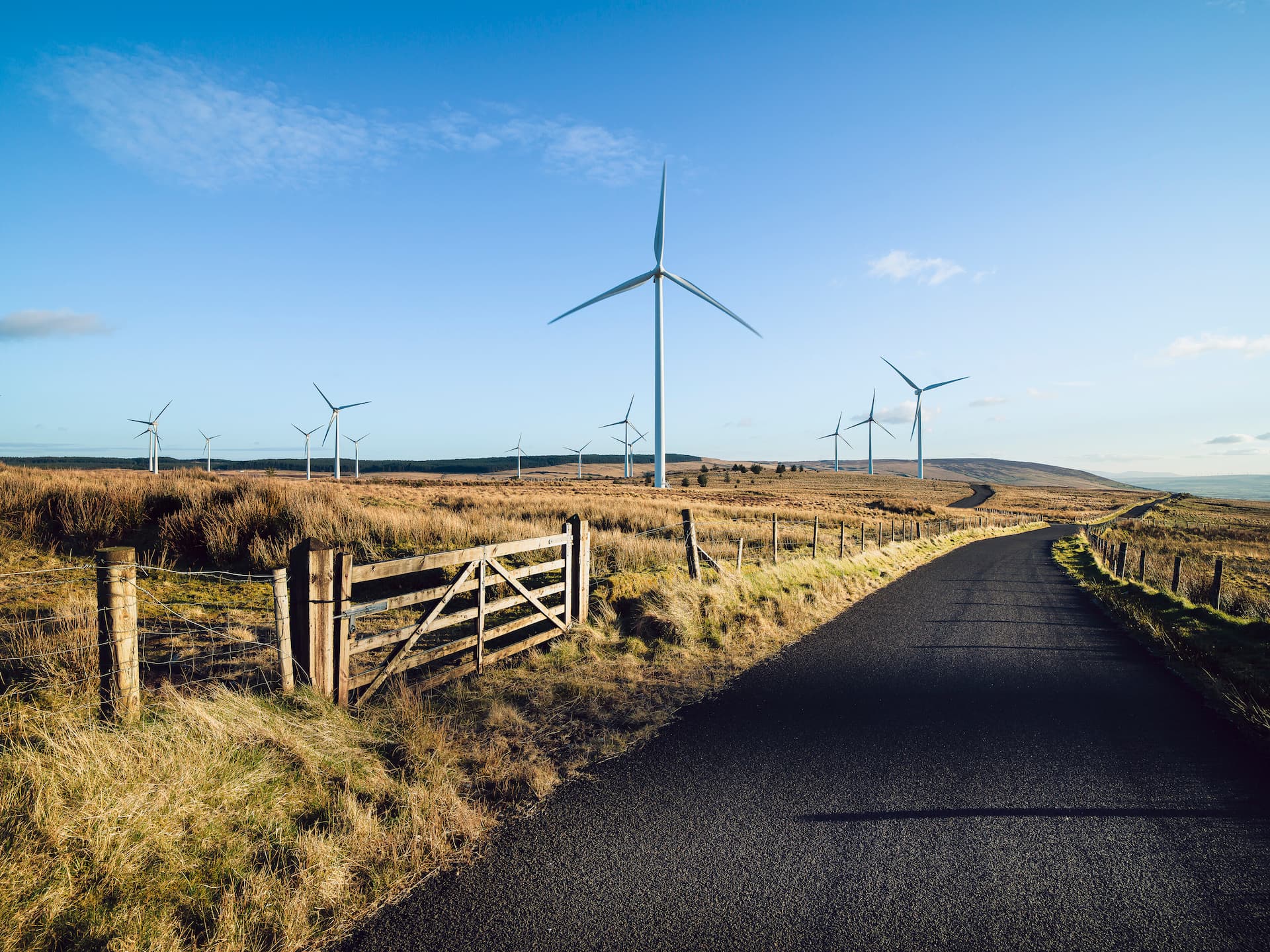
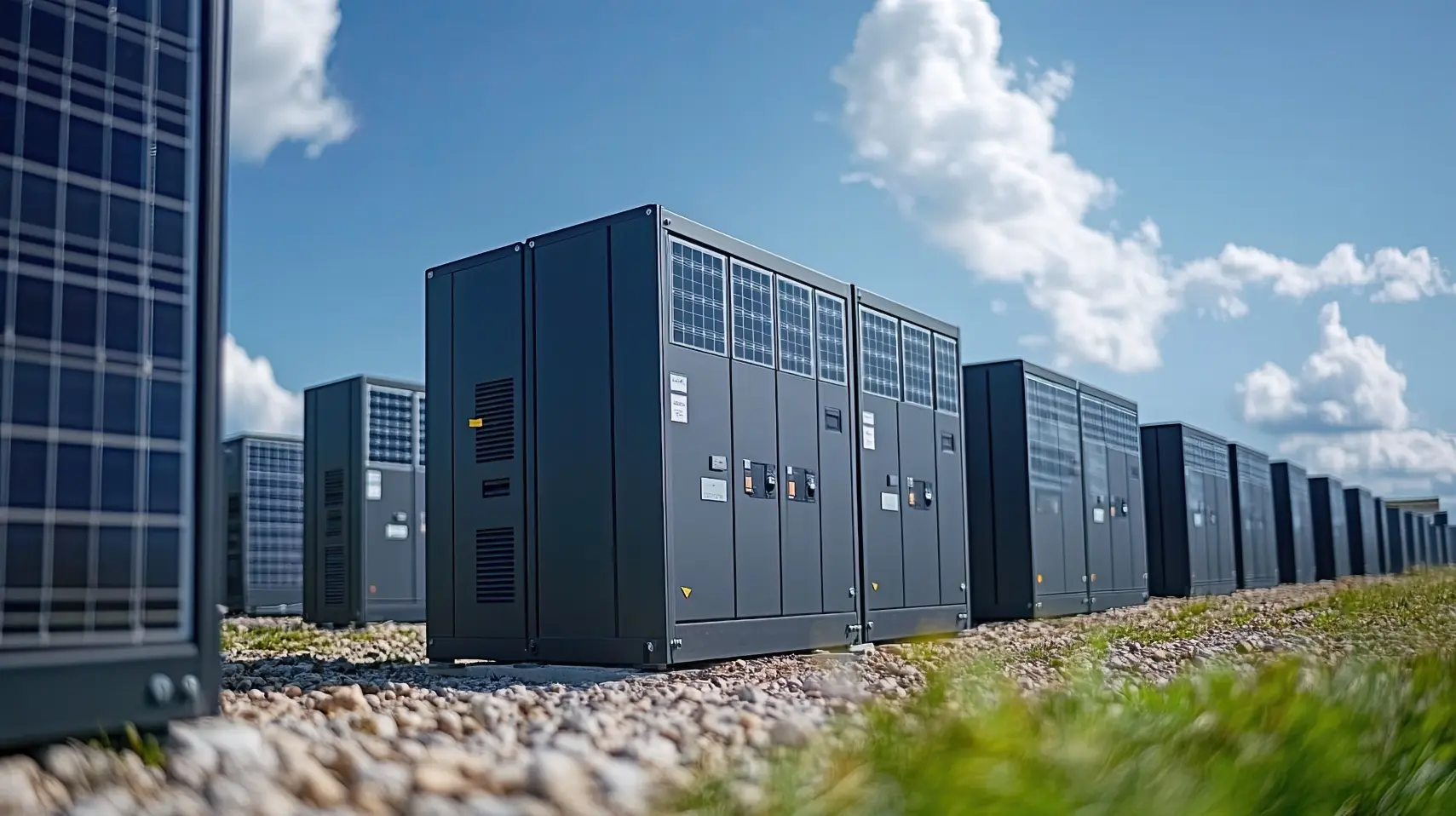
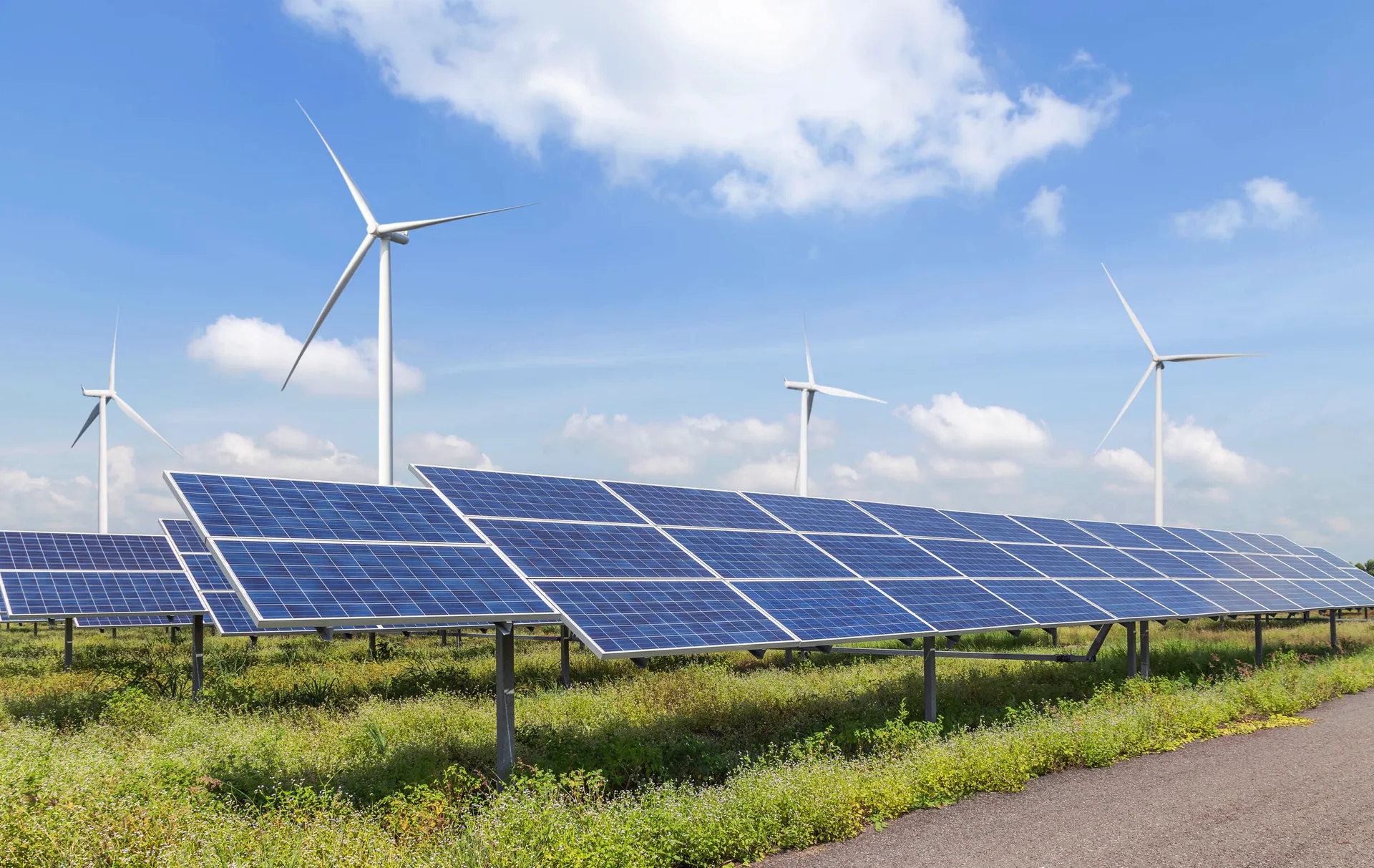
The energy transition is often talked about as one single goal, but underneath it sits a mix of different technologies and different behaviour changes, all needing to work together. Offshore and onshore wind, nuclear, hydrogen, solar PV, carbon capture, long-duration storage (LDES) and low-carbon flexibility all have a role to play. So does energy efficiency, alongside heat pumps and electric vehicles. Together, they can reduce exposure to volatile fossil fuel prices, while unlocking the private investment the system needs. Yet despite the progress made to date, there is evident frustration that too many barriers remain, be they issues with planning, faster connections, better coordination or a sharper focus on consumers, which is exactly where the affordability argument starts to bite.
Renewables rollout: the progress so far
Grid connection reform has given Clean Power goals a major structural boost, and the Contracts for Difference (CfD) and Capacity Market rounds have provided real stimulus. That’s especially true of the commitment to annual CfD auctions and the higher budgets seen in Allocation Round 7.
Recent CfD announcements for large biomass plants and Sizewell B show the Government’s commitment to giving existing low-carbon dispatchable generation some price certainty. There has also been progress on LDES, with Ofgem naming the 16 projects provisionally set to receive support under the first round of the LDES Cap and Floor scheme. We wait to see further detail on the Wholesale CfDs announced in April and how this initiative could support the large fleet of renewables operating within the Renewables Obligation scheme that are coming towards the end of their support.
Despite this progress, the pursuit of the target has become entangled with the wider debate over the cost of net zero and the widening political split on the issue, a debate that now shapes conversation within Government as much as around it.
Flexibility is moving from the margins to the mainstream
Smart tariffs, demand-side response, onsite storage and generation and digital energy management can help balance the system and give households and businesses a more active role in the transition. Flexibility could cut costs and improve resilience, but only if it’s designed well. If it is done badly, it risks adding complexity and embedding a two-tier supply market leaving customers, especially the more vulnerable ones, behind.
Affordability is still the biggest test
Wholesale prices may have eased from crisis peaks, but non-commodity costs have risen to fund network infrastructure build out and support low-carbon supply sources, meaning many households and businesses are still managing high bills and energy debt, with little in the way of cost relief on the horizon for bill payers. That’s precisely why affordability, not time, is shaping how this phase of delivery is being talked about.
The transition must be practical, fair and commercially investable. It must protect vulnerable customers while enabling the innovation and capital needed to build the system of the future.
Where does that leave us?
The new Prime Minister, the new Energy Secretary and the energy sector must continue to steer towards ambitious policy goals, like Clean Power, but there is an increasing focus on demonstrating that they deliver value for money for consumers, rather than prioritising a date in the calendar.
For industry leaders, that will mean adapting and making the most of the opportunities available, whether that’s electrification, consumer flexibility or finding routes to market. However, knowing how to turn ambition into reality is another matter.
CI Live 2026, Cornwall Insight’s annual conference, is designed to tackle all these areas. Bringing together senior voices from across the energy value chain, the event will cut through the noise and focus on what matters: delivery, investment, customers and market evolution.
Delegates will hear from leading organisations including Energy UK’s Chief Executive Dhara Vyas, alongside the CEOs from Octopus Energy, EDF Energy, E.ON and Ofgem, plus senior representatives from Evolve Energy and Citizens Advice, with perspectives from policy, retail, generation, flexibility, consumer advocacy and investment. The agenda will explore the issues shaping the next phase of the transition, including:
- Unlocking consumer-led flexibility at scale
- Accelerating the electrification of heat and transport
- Turning ambition into practical delivery
- Navigating connections reform and routes to market
- Building fairness and trust in supply markets
- Supporting maturing markets for flexibility providers