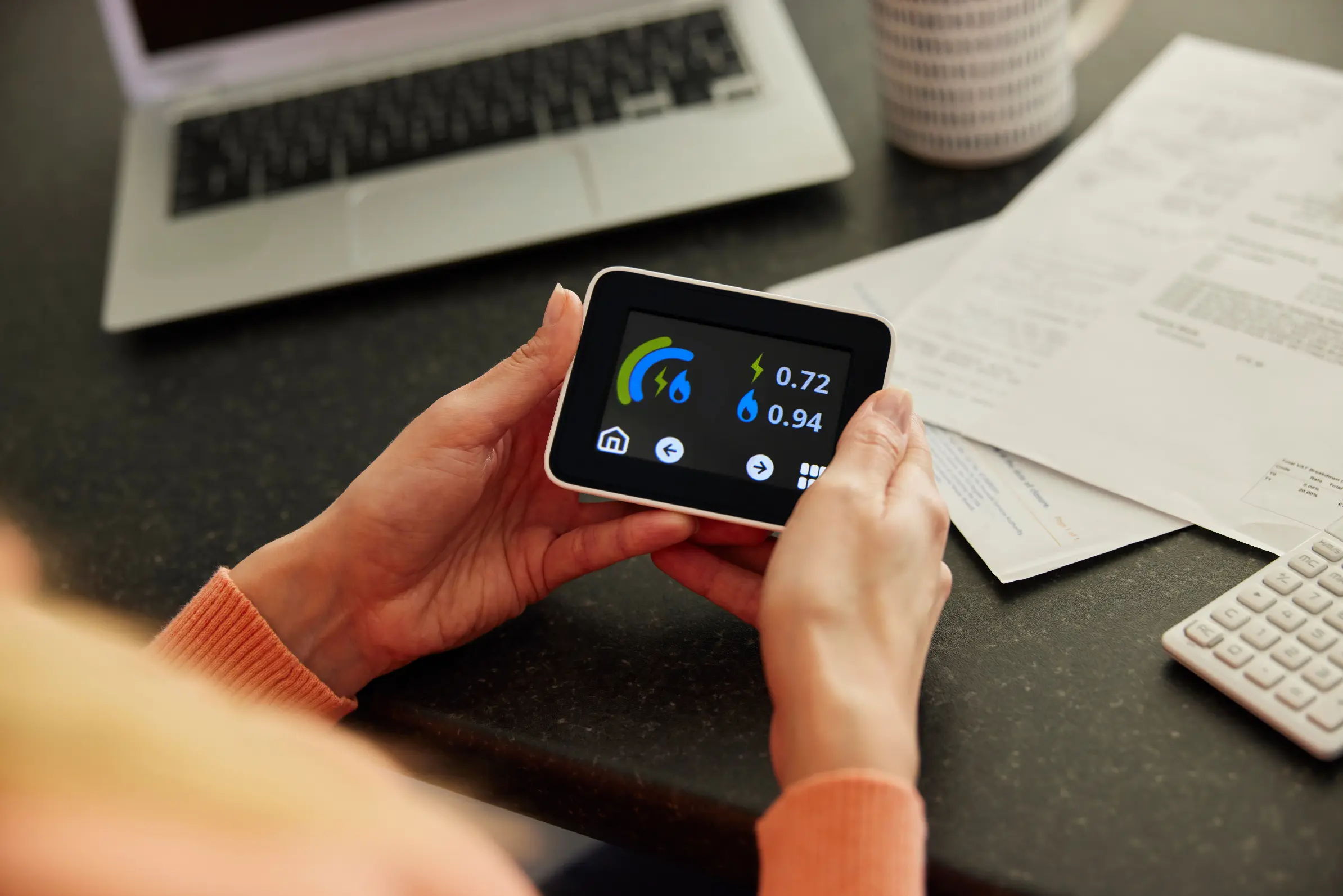
A new report suggests millions of households, from night-shift workers and busy families to vulnerable and low-income customers, heat pump owners and those with home batteries, could be missing out on cheaper energy because smart tariffs aren’t designed around how people actually live.
The report from Cornwall Insight, commissioned by Secure Meters – Being Smarter with Data and Metering – claims that by combining energy consumption data with demographic information, suppliers could design a new generation of time-of-use tariffs (TOU), shaped around real routines and real needs, so people could see what they would actually save, rather than a one-size-fits-all approach.
TOU tariffs offer cheaper electricity at certain times of day. While around 70% of households in Great Britain now have a smart meter capable of facilitating TOU tariffs1, they account for fewer than 3% of the domestic energy market2, with many households assuming their lifestyle means they won’t see savings, or that the tariffs are simply not worth the hassle.
Many of today’s smart tariffs are designed around a relatively narrow set of use cases, particularly electric vehicle charging – which Cornwall Insight data shows account for 78%3 of all TOU customers. This is despite customer numbers growing by 68% year-on-year to July4.
However, many people may be able to make good savings, with some estimates showing certain TOU tariffs could save hundreds a year5, especially if energy is being used at off-peak times, which many consumers, such as shift workers, are likely to be doing.
The report also highlighted that many customers are time poor and may see the effort required to shift electricity use as too much of a burden.
The personalised tariffs, paired with “fit-and-forget” systems that automatically shift electricity use to cheaper periods, could help remove both knowledge and time barriers at once.
Many households have diverse energy needs, for example a shift worker may use most of their electricity in the middle of the night rather than during the standard evening peak, while a household with a heat pump or home battery may have very different opportunities to change their demand and cut their bills. Vulnerable households or those on prepayment tariffs could also benefit from pricing and support mechanisms designed around their specific circumstances, showing the wider societal value of getting these tariffs right.
Better-tailored tariffs may also encourage more households to invest in low carbon technology in the first place, such as a cheaper overnight rate for a heat pump or for charging a home battery from rooftop solar.
Dr Matthew Chadwick, Lead Research Analyst at Cornwall Insight:
“There are huge opportunities to encourage the take up of smart tariffs across different demographics in the country, whether a nurse working overnight shifts, a family with little time to spend on energy saving, or a vulnerable household that may benefit from tariffs that support their specific circumstances. Tailored tariffs can show people the financial benefits that fit them, and not only what works for some abstract average household.
“By pairing consumption data with demographics, suppliers could build energy tariffs around how people actually live. If suppliers can use data in a smarter way, time-of-use tariffs could stop being a niche product for the few and become something every household, and the wider society, can benefit from.”
Suket Singhal, Group CEO at Secure Meters:
“We live in an era of uncertainty in energy costs while households need predictability to make sure they can lead a normal life.
Historically the industry has operated on less than a handful of customer types. Using the data from the smart meters installed in 70% of British homes the energy industry can help everyone save on their bills while ensuring that the industry remains one being actively invested in. Let’s move the discussion from a competitive market to a market that uses all the tools available to it to provide a better service!”
Reference:
- Department of Energy Security and Net Zero: Smart Meter Statistics in Great Britain: Quarterly Report to end March 2026
- Ofgem State of the Nation Report 2025
- Cornwall Insight’s EV Service
- Citizens Advice: The Value of Time of Use Tariffs in Great Britain
- Domestic heat pump flexibility modelling – Cornwall Insight
- Time of Use tariff could help save £100s against the price cap – EDF