Sign up to Read Our Expert Thought Leadership
Fill in the form below to view this content and sign up to receive regular energy market updates

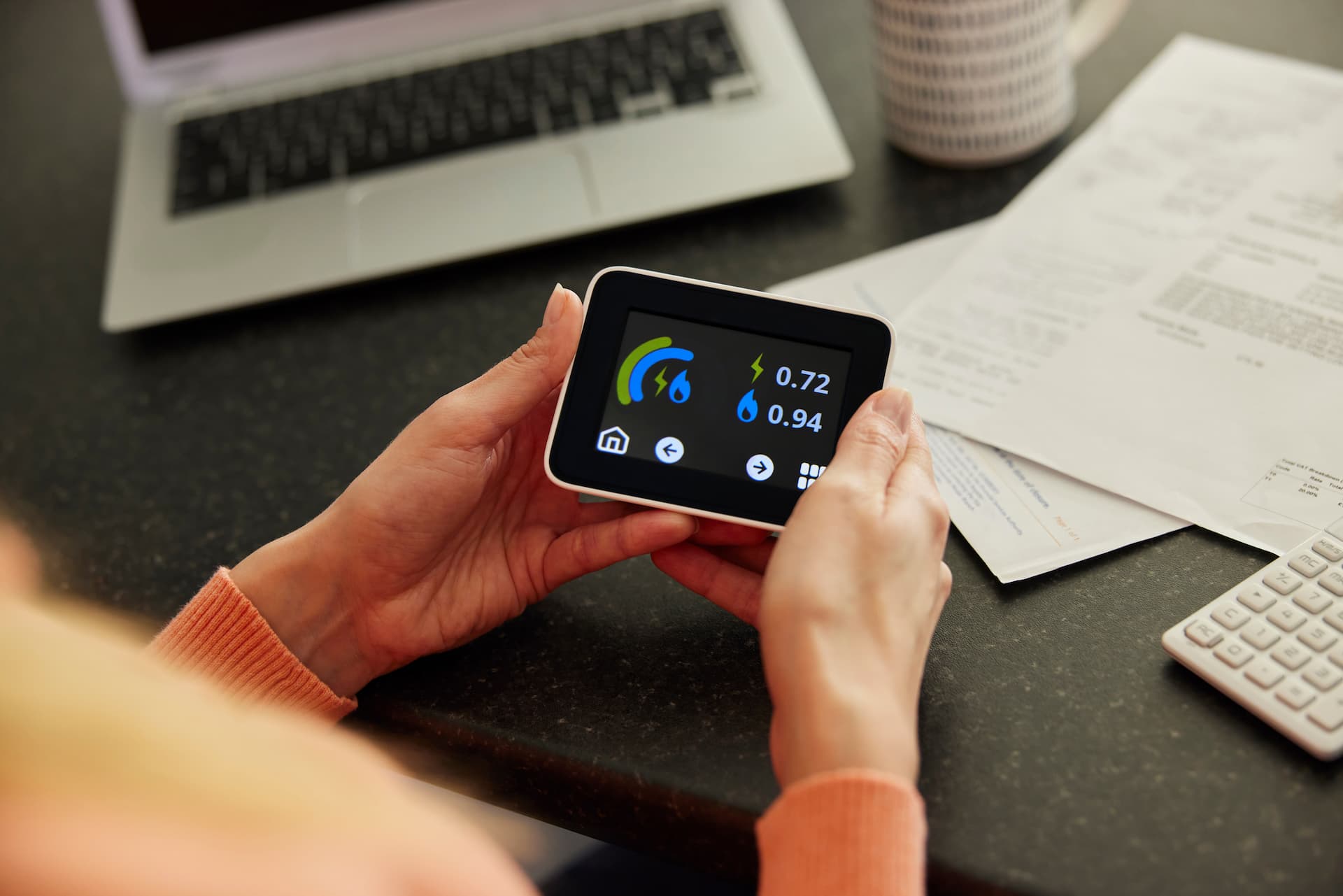
Smart meters are a useful tool for supporting energy flexibility but their implementation has been fraught with challenges over the last 15 years.
Published
Read time
Share on socials
Fill in the form below to view this content and sign up to receive regular energy market updates


Forecast gas and electricity prices dominate the headlines, but they are only part of the story. Non-commodity costs, from network charges to policy costs and levies, make up a large…

Our recent webinar with Enosi and Evolve Energy prompted a wide range of questions on Licence Exempt Supply (LES). Here we group the outstanding questions by theme and set out…
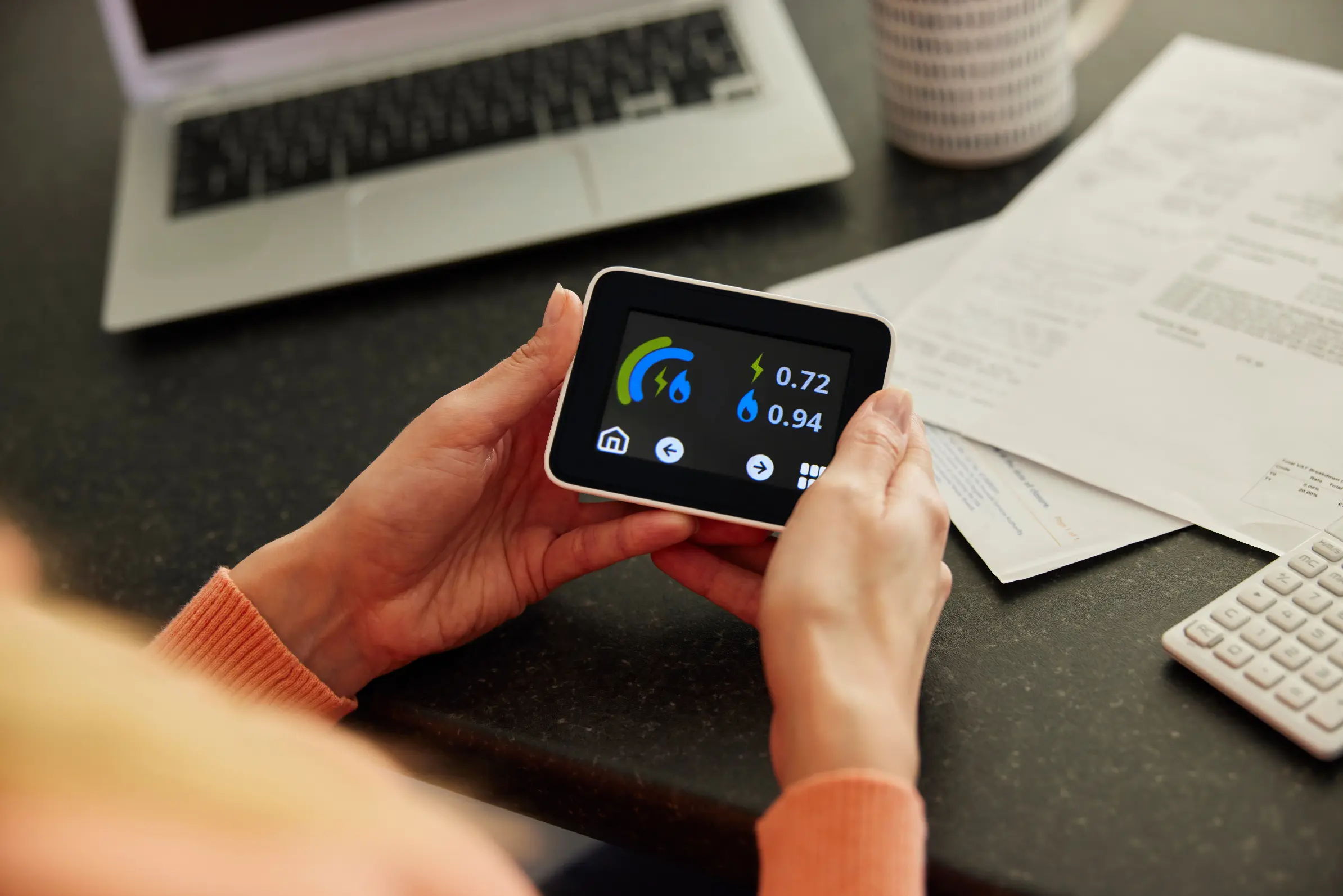
Cornwall Insight and Secure Meters have launched a report setting out how smart meters and smart meter data can deliver a wide range of benefits across the energy value chain.

The role of flexibility in the GB electricity system has never been more important. Traditionally, flexibility was often associated with a handful of large generators helping the system respond to…

An elephant in the room is the existing renewable generation capacity which will begin reaching the end of its current subsidy arrangements from March 2027.

Ahead of Cornwall Insight’s November annual conference our Group Head of Training Ed Reed outlines the context to the day’s conversations.