The energy transition and route to net zero is not only predicated on significant investment in new electricity generation and network infrastructure. It also assumes that consumers become a much more active part of the market and wider energy system, by vigorously seeking out opportunities to be rewarded for changing their electricity demand.
Implicit Flexibility: Time-of-Use Tariffs and Smart Meters
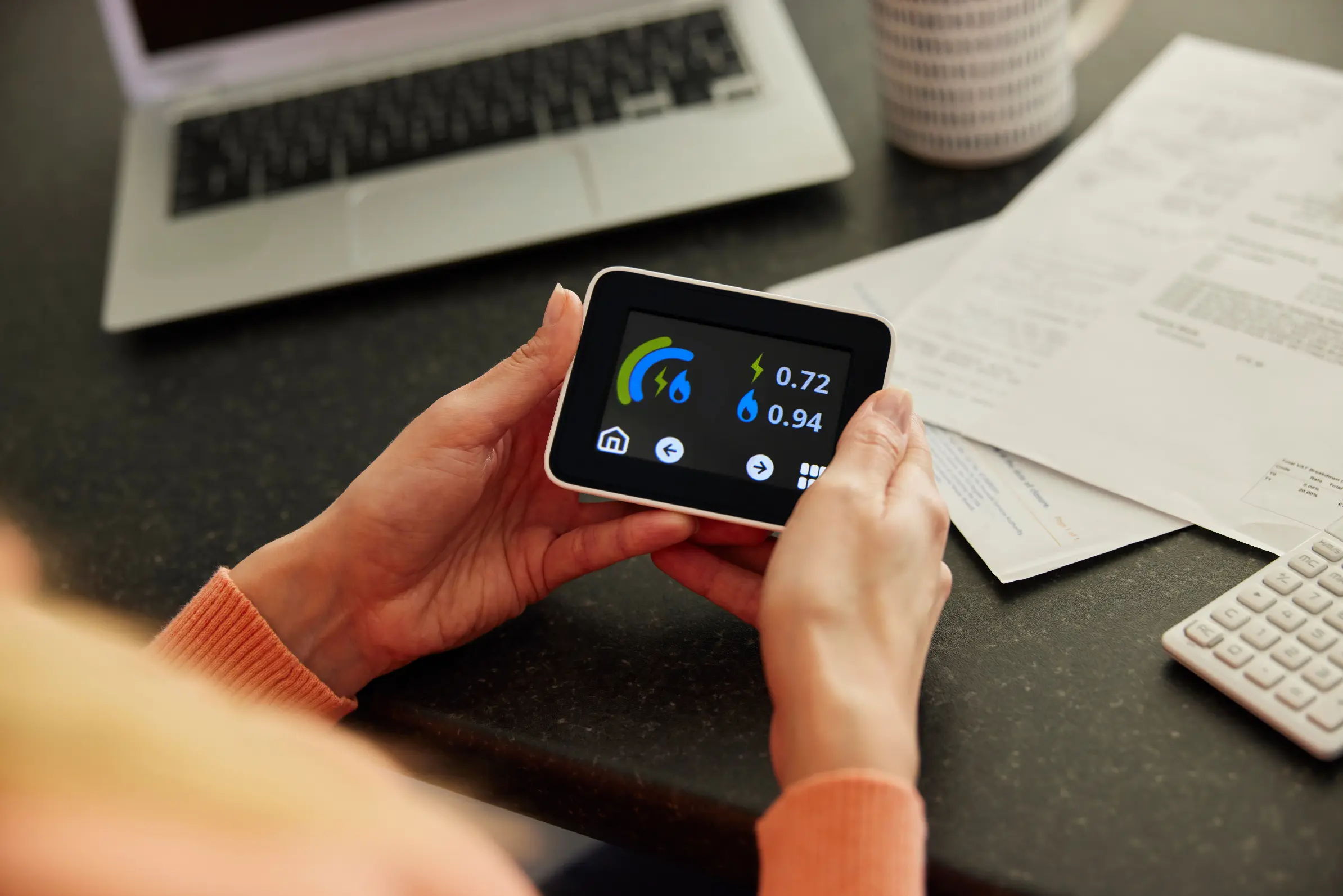
Historically, the largest electricity consumers have engaged with flexibility markets to some extent, particularly where their electricity contracts expose them to varying prices across the day. This form of consumer‑led flexibility — often referred to as implicit flexibility — has continued to evolve. The rollout of smart meters has enabled suppliers to offer a growing range of time‑of‑use tariffs, opening new opportunities for households to respond to price signals.
These market‑based opportunities are expected to increase further as market‑wide half‑hourly settlement is completed and smart meters become universal. Consumers who can shift their consumption, particularly those with electric vehicles, battery energy storage systems, heat pumps or other flexible technologies, stand to benefit most.
Explicit Flexibility: How Consumers Can Access System Services
Alongside this, opportunities for consumers to participate directly in system flexibility services — also known as explicit flexibility — have expanded significantly in recent years. These opportunities are expected to grow further as market arrangements are reformed to better accommodate end users.
Recent rule changes mean that consumers can now participate in the Balancing Mechanism via third parties. Aggregated portfolios of consumer flexibility are also increasingly able to access a wider range of balancing and system services, including the first service deliberately designed around consumer participation: the Demand Flexibility Service.
New Market Roles: Virtual Lead Party and Virtual Trading Party
New market roles, such as the Virtual Lead Party and Virtual Trading Party, have been instrumental in enabling consumer‑led flexibility to access these revenue streams. While consumer participation in system flexibility remains relatively small today, organisations including NESO, the UK Government, Ofgem and the Climate Change Committee have all made clear that it must grow significantly to meet 2030 ambitions and 2050 net‑zero goals. For example, in its Clean Power 2030 advice, NESO stated that demand‑side flexibility at peak will need to increase four‑ to five‑fold compared with current levels.
Introducing Our New Course
In response to customer demand and these evolving market arrangements, Cornwall Insight has launched a new training course: Understanding Consumer‑led Flexibility Opportunities.
The course explores how electricity customers — from households to businesses — can participate in flexibility markets, helping to lower energy bills while reducing carbon emissions. Our subject matter experts explain what consumer‑led flexibility means in practice, the opportunities available today, and how these are expected to develop over time. We also cover the routes to market for consumers and intermediaries looking to participate in flexibility services.
This new course complements Cornwall Insight’s established Flexibility Academy, which is aimed at participants operating in grid‑scale flexibility markets, helping organisations deepen their understanding of the full flexibility landscape.
Live course dates: 30 June – 2 July 2026 | 10am – 12pm.
With a new date added: 6 – 8 October 2026 | 10am – 12pm.
-
Understanding Consumer-led Flexibility Opportunities
Discover more: Understanding Consumer-led Flexibility OpportunitiesEssential learning to understand the commercial landscape for low carbon generation